
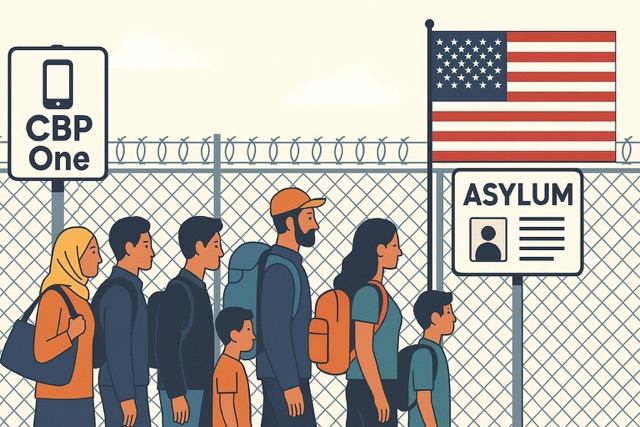
When Title 42 officially ended, the U.S. shifted back to traditional immigration enforcement—but not without introducing new rules that are already changing how asylum seekers are processed. If you’re navigating this system, you’re not just dealing with policy updates; you’re dealing with real-world complications that affect your timeline, eligibility, and legal options. From the rollout of the CBP One app to tougher entry requirements and fast-tracked removals, these new policies are reshaping how people seek protection at the southern border. Your success now depends on how well you understand the rules and how quickly you can respond to the changes.
The End of Title 42 Doesn’t Mean Open Borders
Title 42 allowed border agents to expel migrants quickly on public health grounds, bypassing formal asylum processing. With that authority gone, you’re now operating under Title 8. This law has always been part of immigration enforcement but is now front and center again. Under Title 8, if you cross the border unlawfully, you risk facing expedited removal and a potential five-year ban from reentry. Unlike the more ambiguous status during Title 42, this new approach penalizes unauthorized entry more severely.
But there’s a catch. If you follow the legal pathways, your case is still reviewed under the standard asylum process. That means it’s still possible to seek protection—you just have to follow the right steps. This shift hasn’t made asylum impossible, but it has made the margin for error much smaller.
The CBP One App: Required, But Not Reliable
To manage border traffic and reduce chaos, Customs and Border Protection introduced the CBP One app. This tool is now the primary way to request an appointment to present your asylum claim at a port of entry. On paper, this sounds organized. In practice, it’s far from perfect. If you don’t have access to a smartphone, reliable internet, or digital literacy, using the app is a major barrier. Some users report app crashes, delays in appointment availability, or simply not being able to log in.
You’ll need to treat the CBP One app as your first checkpoint. If you want to present yourself legally, there’s no way around it. Schedule your appointment as soon as you arrive near the border and document every step. Screenshots, confirmation numbers, and date logs may help if questions about your compliance come up later. If you’re helping someone else—especially someone older or less tech-savvy—guide them through the process or direct them to organizations offering support with the app.
New Third-Country Asylum Requirement Adds Pressure
Another major change is the requirement to apply for asylum in at least one country you pass through before arriving at the U.S. border. This is now a condition that could disqualify you if ignored. Let’s say you’re traveling from Venezuela and passed through Guatemala or Mexico. If you didn’t seek protection in those countries before reaching the U.S., your asylum claim here could be rejected outright.
This change was introduced to discourage irregular migration and to pressure other countries to take more responsibility. The problem is, not all transit countries are equipped to handle asylum claims safely or efficiently. Many migrants report threats, lack of resources, and procedural delays. But even with these concerns, the rule stands. So if you’re en route, or helping someone plan their journey, it’s important to document all asylum attempts and denials from each transit nation. This could prove useful during your credible fear interview or immigration court hearing.
Expedited Removals Are Back and Moving Faster
Now that the U.S. is back to using Title 8, expedited removal is once again a tool being widely used. That means if you enter unlawfully and don’t clearly express fear of persecution, border agents can deport you without a hearing in front of a judge. You could be back in your home country in days. And if your fear claim is dismissed as insufficient during the screening, you may have no way to reopen your case.
This makes your initial contact with border officials extremely important. If you’re afraid to return to your country, say so clearly and immediately. Ask for an asylum interview. Don’t assume that officers know what you’ve been through. The only way to avoid fast-track removal is to assert your need for protection early and consistently. If you’ve already been removed once, trying to re-enter without permission could lead to criminal charges or longer bans.
Shelters Are Full, Communities Are Overwhelmed
Border towns and humanitarian shelters are bearing the brunt of these new changes. With processing delays and limited infrastructure, many people are stuck in limbo for days or weeks. Shelters are at capacity, and local governments are struggling to provide food, space, or even basic medical care. If you’re heading to the border now, expect fewer resources and longer wait times. Some ports of entry are reportedly seeing hundreds of people a day with only a handful of appointments available.
Reach out to nonprofits like the International Rescue Committee, RAICES, or Al Otro Lado. These organizations offer assistance with shelter, legal help, and language services. They’re also often the first to know when appointments open up or policies shift. Stay connected through WhatsApp groups or social channels where updates are shared by volunteers or lawyers.
Court Cases Are Already Challenging the New Rules
Several immigration and human rights organizations have already filed lawsuits against the Biden administration over the post-Title 42 policies. The new third-country asylum rule, in particular, is under fire for conflicting with international obligations under the Refugee Convention. These legal cases could change the rules again, or at least clarify who is exempt from certain requirements.
While you can’t count on a lawsuit to fix your situation overnight, staying updated is still valuable. Sometimes a court decision leads to a policy pause or temporary injunction that changes eligibility standards. If you’re working with a legal team, they’ll keep you informed about whether these changes apply to your case. If not, follow reporting from trusted sources like the American Immigration Council or the National Immigration Forum.
What You Can Do Right Now
If you’re planning to seek asylum at the U.S. border—or already waiting—your strategy matters. Use the CBP One app, document all of your asylum attempts in other countries, and speak clearly about your fear of persecution. Avoid crossing between ports of entry. Not only is it dangerous, but it also triggers a faster, harsher process. Try to connect with a lawyer early. Even if you can’t afford private counsel, legal aid groups offer free consultations and often have bilingual staff who understand the new rules better than anyone.
These new policies are designed to make the system stricter, not to eliminate asylum. So while your options are narrower, they’re not gone. Being prepared and proactive can make the difference between being deported in 48 hours or getting a fair hearing.
What People Ask Most About Post-Title 42 Asylum
- Title 42 ended; Title 8 rules are now active
- CBP One app is required for legal border entry
- You must apply for asylum in transit countries first
- Expressing fear to officials is crucial
- Expedited removal is faster and harder to appeal
In Conclusion
The end of Title 42 brought clarity to some parts of the immigration process and complications to others. If you’re seeking protection in the U.S., you’re dealing with a more rigid system that expects you to follow precise steps without much room for mistakes. That doesn’t mean your case is hopeless—it just means you need to be smart, fast, and connected to the right resources. Know the rules, assert your rights, and keep track of everything. That’s how you give yourself the best shot in this new asylum process.
For more visual updates and stories on the realities at the U.S. border, follow me on Instagram.