
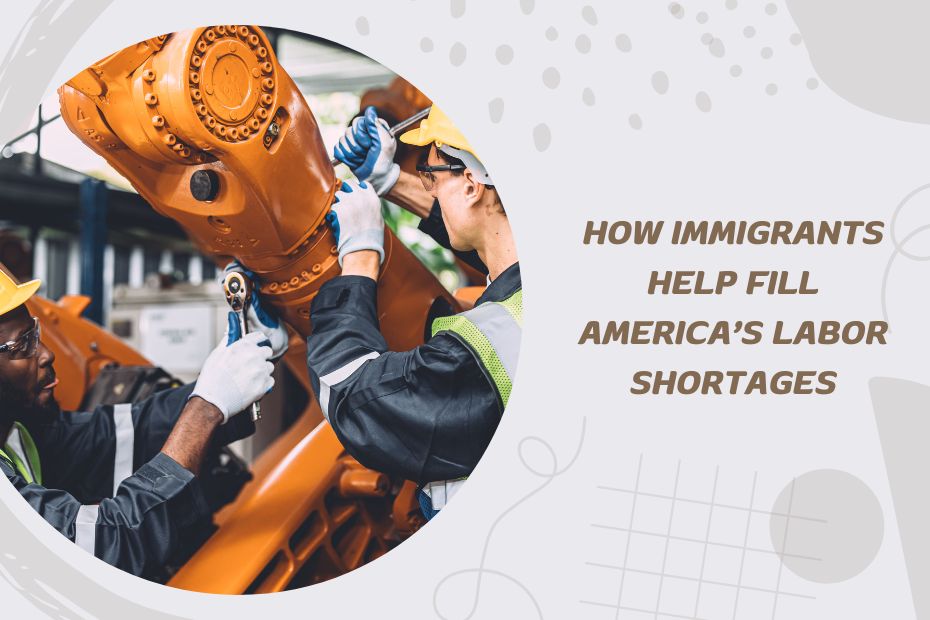
Labor shortages have become a serious challenge in the U.S., and I’ve seen firsthand how immigrants play a key role in keeping industries afloat. Whether it’s healthcare, agriculture, technology, or construction, many essential jobs wouldn’t get done without foreign-born workers. Business owners struggle to find enough employees, and it’s clear that immigrants are not taking jobs from Americans—they’re filling roles that would otherwise remain empty. The reality is that without immigrant workers, economic growth slows, businesses suffer, and consumers feel the impact in higher prices and reduced services. Let’s break down how immigrants help sustain the U.S. workforce and what that means for the economy.
Healthcare: Immigrants Keep Hospitals and Home Care Running
Ask any hospital administrator or home health agency about staffing, and they’ll tell you the same thing—there aren’t enough workers to meet demand. That’s why foreign-born healthcare professionals are essential. Nationally, 15.6% of all nurses and nearly 28% of home health aides are immigrants. In major states like New York, New Jersey, and California, those numbers climb even higher.
Without immigrants, care for elderly and disabled patients would be in crisis. Many U.S.-born workers simply don’t want jobs in home health care or nursing assistant roles, despite high demand. Foreign-born workers step in, making sure seniors get the daily care they need and hospitals have enough nurses to staff emergency rooms. Expanding legal pathways for healthcare workers is a logical solution to the growing demand for medical professionals.

Agriculture: Without Immigrants, the U.S. Food Supply Suffers
I’ve spoken with farm owners who say the same thing every season—they can’t find enough workers, and they can’t afford to let crops rot in the fields. Agriculture is one of the most immigrant-dependent industries, with 73% of farmworkers being foreign-born, and nearly half of them undocumented. The reality is that most Americans aren’t willing to take on the grueling, physically demanding work of farm labor, and without immigrants, food production would grind to a halt.
Even with the H-2A visa program, which allows farms to hire seasonal foreign workers legally, farmers still struggle to navigate complex bureaucracy. If the U.S. wants to maintain a stable food supply, immigration policies must make it easier for farms to hire the workers they desperately need. Without this workforce, grocery prices rise, exports decline, and food shortages become a bigger issue.
Technology: Skilled Immigrants Drive Innovation
Many of the biggest names in tech—Google, Tesla, and Microsoft—were co-founded by immigrants. But beyond leadership, foreign-born workers make up a massive portion of the tech industry. The H-1B visa program allows U.S. companies to hire highly skilled workers for specialized roles, yet demand far exceeds supply. Year after year, companies struggle to fill software engineering, AI development, and cybersecurity positions, and American universities alone don’t produce enough graduates to meet the demand.
Tech companies don’t hire immigrants because they’re cheaper—they do it because there simply aren’t enough U.S.-born candidates with the necessary skills. If the U.S. continues to limit visas for high-skilled workers, we risk losing top talent to Canada, Europe, and other countries competing for the same professionals. Attracting and retaining global talent is a necessity, not a luxury, for America’s long-term economic strength.
Construction and Skilled Trades: Immigrants Fill Gaps in Physical Labor
Walk onto any construction site, and you’ll see the impact of immigrant labor. One in four construction workers in the U.S. is foreign-born, and without them, projects would be delayed, costs would skyrocket, and businesses would struggle to complete contracts on time. As older workers retire, the demand for electricians, carpenters, roofers, and plumbers keeps rising, but there aren’t enough young American workers entering these trades.
Programs like DACA (Deferred Action for Childhood Arrivals) have allowed many young immigrants to pursue skilled trades, helping address labor shortages in construction. But long-term solutions are needed, including expanding legal work permits and creating pathways to permanent residency for workers in high-demand fields. Construction projects are the backbone of infrastructure development, and limiting immigrant labor only slows progress.
Entrepreneurship: Immigrants Create Jobs, Not Just Fill Them
Some of the most successful businesses in the U.S. were started by immigrants, yet this fact is often overlooked in the immigration debate. Immigrants don’t just take jobs—they create them. Studies show that immigrants are more likely to start businesses than native-born Americans, launching everything from small family-run stores to billion-dollar startups.
These businesses contribute to the economy by hiring workers, paying taxes, and driving local growth. Cities with high concentrations of immigrant entrepreneurs tend to have higher rates of job creation, benefiting both immigrants and native-born workers. Encouraging small business development through immigrant-friendly policies will only strengthen the economy.
Immigrants and Wages: Debunking the Myth That They Lower Pay
One of the biggest myths about immigration is that it lowers wages for American workers. Studies from the Brookings Institution and the Economic Policy Institute have shown that immigration has little to no negative impact on wages for U.S.-born workers. Instead, immigrants often take jobs that would otherwise go unfilled, keeping businesses running and preventing inflation from skyrocketing due to worker shortages.
The idea that immigrants “steal” jobs ignores how labor markets actually function. When businesses can’t find enough workers, production slows, prices increase, and economic growth suffers. Immigrants help stabilize industries, keeping costs in check and preventing major disruptions.
Policy Solutions: A Smarter Approach to Immigration
If the U.S. wants to fully address labor shortages, immigration policy must align with workforce needs. That means:
- Expanding temporary work visas to make it easier for seasonal workers to enter legally.
- Providing permanent residency options for essential workers in healthcare, agriculture, and construction.
- Reforming the H-1B visa system to keep top global talent in the U.S.
- Supporting immigrant entrepreneurs with funding and legal protections.
The labor shortage problem won’t fix itself, and simply restricting immigration won’t make it go away. A smarter approach that balances business needs with legal pathways for workers is the solution.
How Immigrants Support the U.S. Economy
- 15.6% of all nurses and nearly 28% of home health aides are foreign-born.
- 73% of the agricultural workforce consists of immigrant laborers.
- H-1B visa holders play a key role in the technology sector.
- One in four construction workers in the U.S. is an immigrant.
- Immigrant entrepreneurs create businesses at higher rates than native-born Americans.
In Conclusion
The idea that immigrants hurt the economy is simply false. They don’t just fill jobs—they drive innovation, support key industries, and start businesses that hire American workers. Without immigrants, labor shortages in healthcare, agriculture, technology, and construction would reach crisis levels. Instead of limiting immigration, policies should focus on creating legal pathways that match workforce demands. A strong labor market depends on a balanced approach that keeps industries running, businesses growing, and families thriving.
For more in-depth economic analyses on immigration and labor markets, explore my work on WordPress. Stay informed with expert insights!
Featured Image SEO Details
- Alternative Text: Immigrant workers in agriculture, healthcare, and construction contributing to the U.S. economy.
- Caption: Immigrants play a crucial role in filling labor shortages across healthcare, agriculture, and construction, keeping key industries running.
- Description: Foreign-born workers are essential in filling America’s labor shortages, supporting industries like healthcare, agriculture, and technology while driving economic growth.
SEO Optimization for the Article
- Focus Key-Phrase: Immigrants and labor shortages
- SEO Title: How Immigrants Fill U.S. Labor Shortages and Support the Economy
- Meta Description: Discover how immigrants help fill labor shortages in healthcare, agriculture, and tech, keeping businesses running and driving economic growth.